The clock tower is in the city centre of Manastır (Bitola), near the İshâkiye Mosque and the New Mosque. Although the exact date of construction is not known, it is sure that the tower existed in 1664. It underwent a major repair in the 19th century and the bell tower was built at that time. The tower is a 22 m high structure with a square (5.8x5.8m) prism body that narrows from bottom to top. Inside the tower is a spiral staircase. It has round clock dials with Roman numerals on all four faces. The second floor of the mansion,
Manastır Saat Kulesi
Bitola Clock Tower
| Country | North Macedonia |
| City | Manastır |
| Built Year | 1837 |
| Converted | - |
| Demolished | - |
| Architect/Patron | Sultan II. Mahmud Sultan Mahmud II |
| Book Page | p.382 |
| Sources |
|
Photos
Gallery ready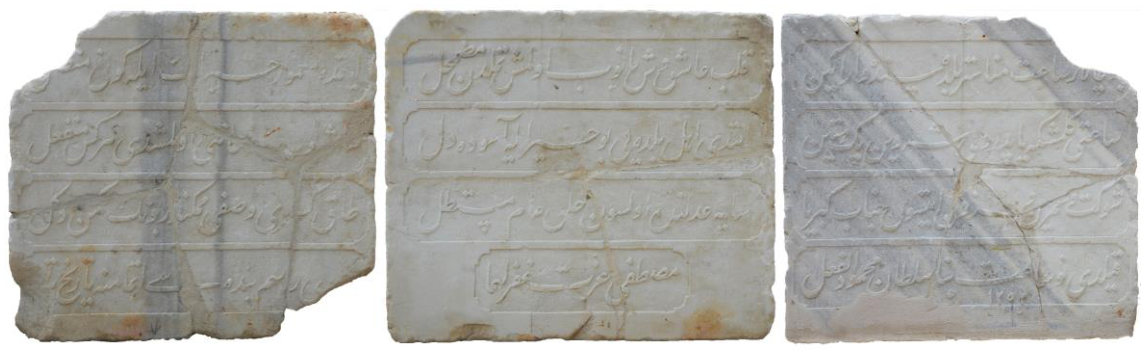
Bitola Clock Tower — R.12.18
Mehmet Emin Yılmaz (@mimaremin)
R.12.18
Kiliseye Çevrilen Türk Eserleri 1 / The Turkish Monuments Converted into Churches 1, p. 385
YTB Publications, 2023
Extracted from the public-access source work on the YTB Digital Culture Platform; used with source and author credit.
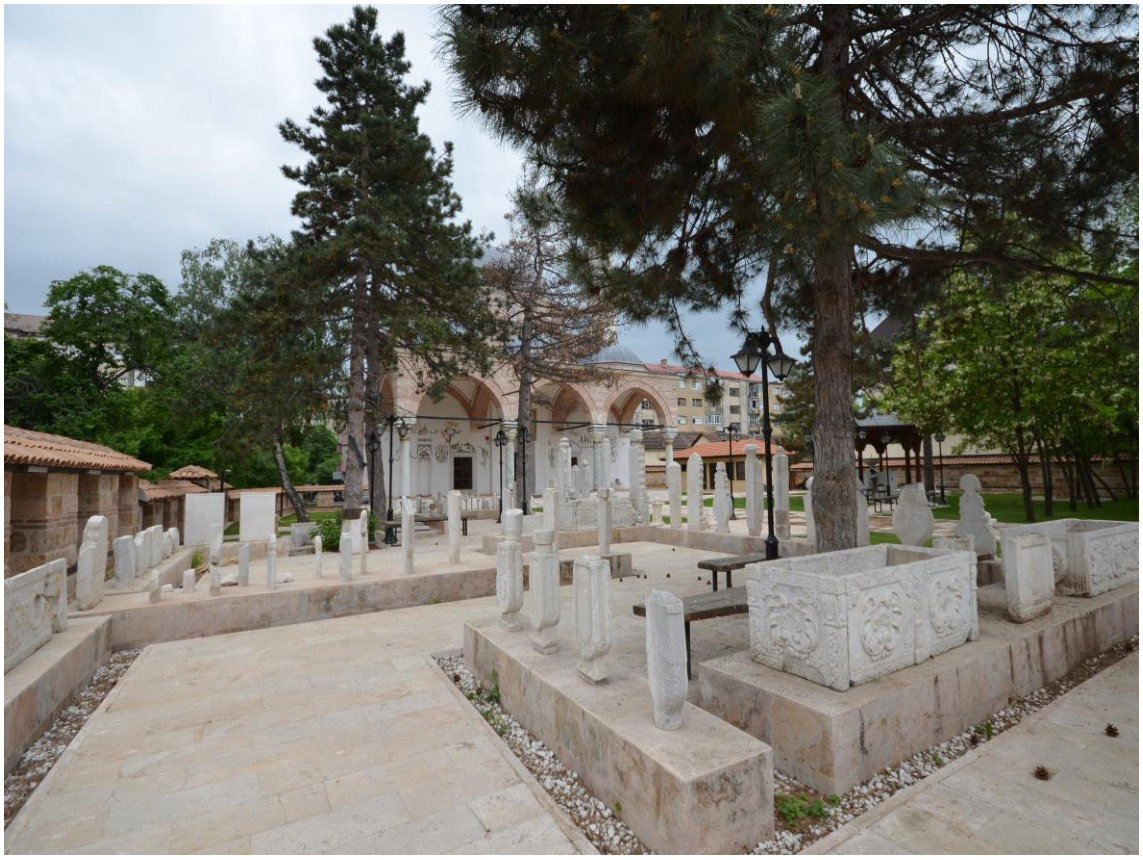
Bitola Clock Tower — R.12.19
Mehmet Emin Yılmaz (@mimaremin)
R.12.19
Kiliseye Çevrilen Türk Eserleri 1 / The Turkish Monuments Converted into Churches 1, p. 386
YTB Publications, 2023
Extracted from the public-access source work on the YTB Digital Culture Platform; used with source and author credit.
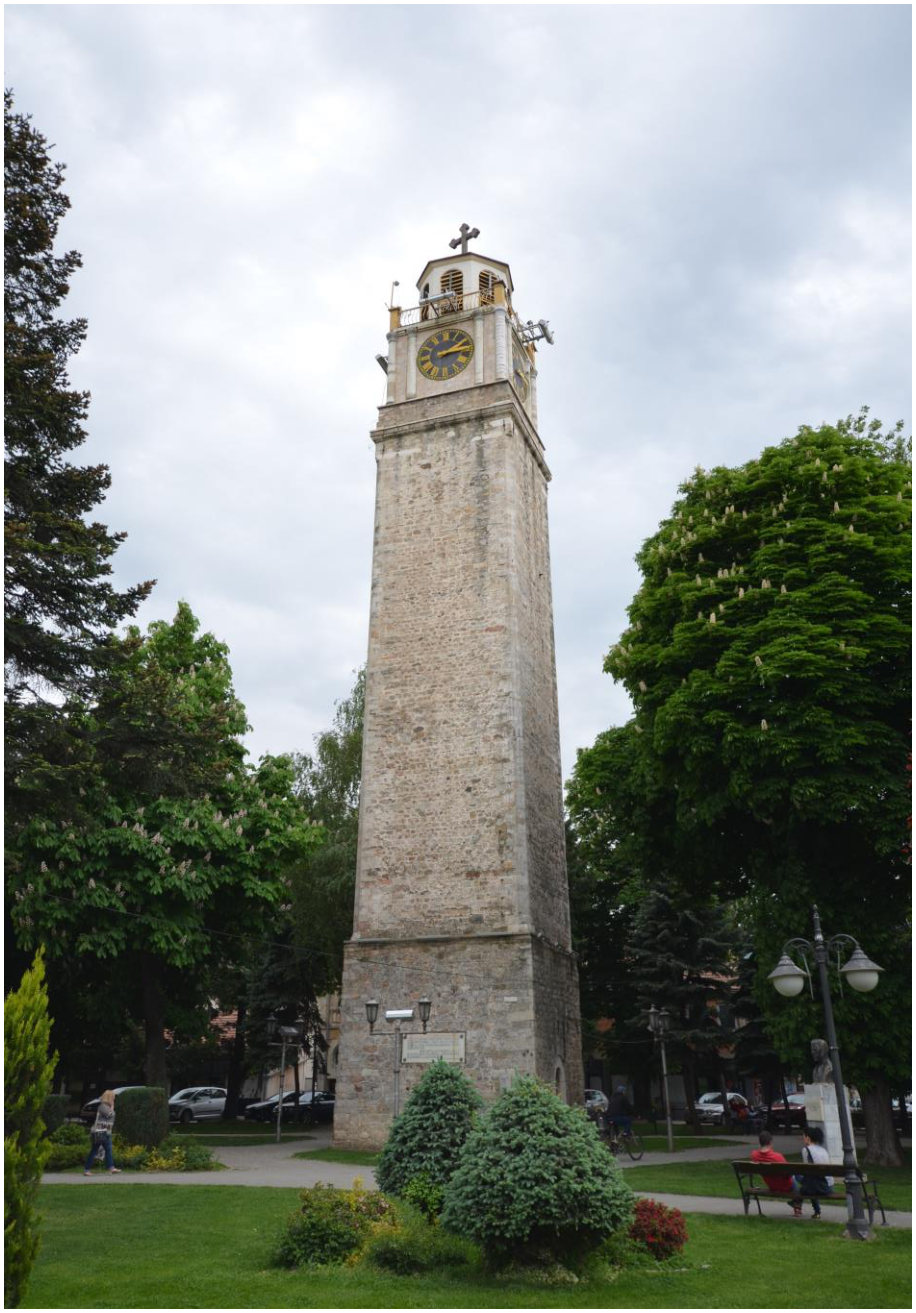
Bitola Clock Tower — R.12.20
Mehmet Emin Yılmaz (@mimaremin)
R.12.20
Kiliseye Çevrilen Türk Eserleri 1 / The Turkish Monuments Converted into Churches 1, p. 387
YTB Publications, 2023
Extracted from the public-access source work on the YTB Digital Culture Platform; used with source and author credit.
Figure references in the book
R.12.18R.12.19R.12.20