Ekrem Hakkı Ayverdi describes the Pristina Imperial Mosque as one of the most beautiful mosques of Rumelia. The mosque is in the centre of the city with a double bath, clock tower, bazaar and Kadiri Lodge around it. It is a classic-style mosque built of smooth-cut stone, consisting of a squareplanned harim covered with a large dome and a three-section narthex. The one-balcony stone minaret is in the northeast corner. Imperial Mosque was converted into a Catholic church during the Austrian occupation in 1689 and was restored to its original form when the Ottomans took the city back. The interior decorations of the mosque were also renewed in this period when it was converted into a church and started to be used as a mosque again. During World War II, the interior was restored by the Germans between 1950-61. In 2010, the mosque was repaired and landscaped by TİKA.
Priştine, Fâtih Sultan Mehmet Câmii
Pristina, Fatih Sultan Mehmet Mosque
| Country | Kosovo |
| City | Priştine |
| Built Year | 1461 |
| Converted | 1689 |
| Demolished | - |
| Architect/Patron | Fâtih Sultan Mehmet Sultan Mehmed the Conqueror |
| Book Page | p.356 |
| Sources |
|
Photos
Gallery ready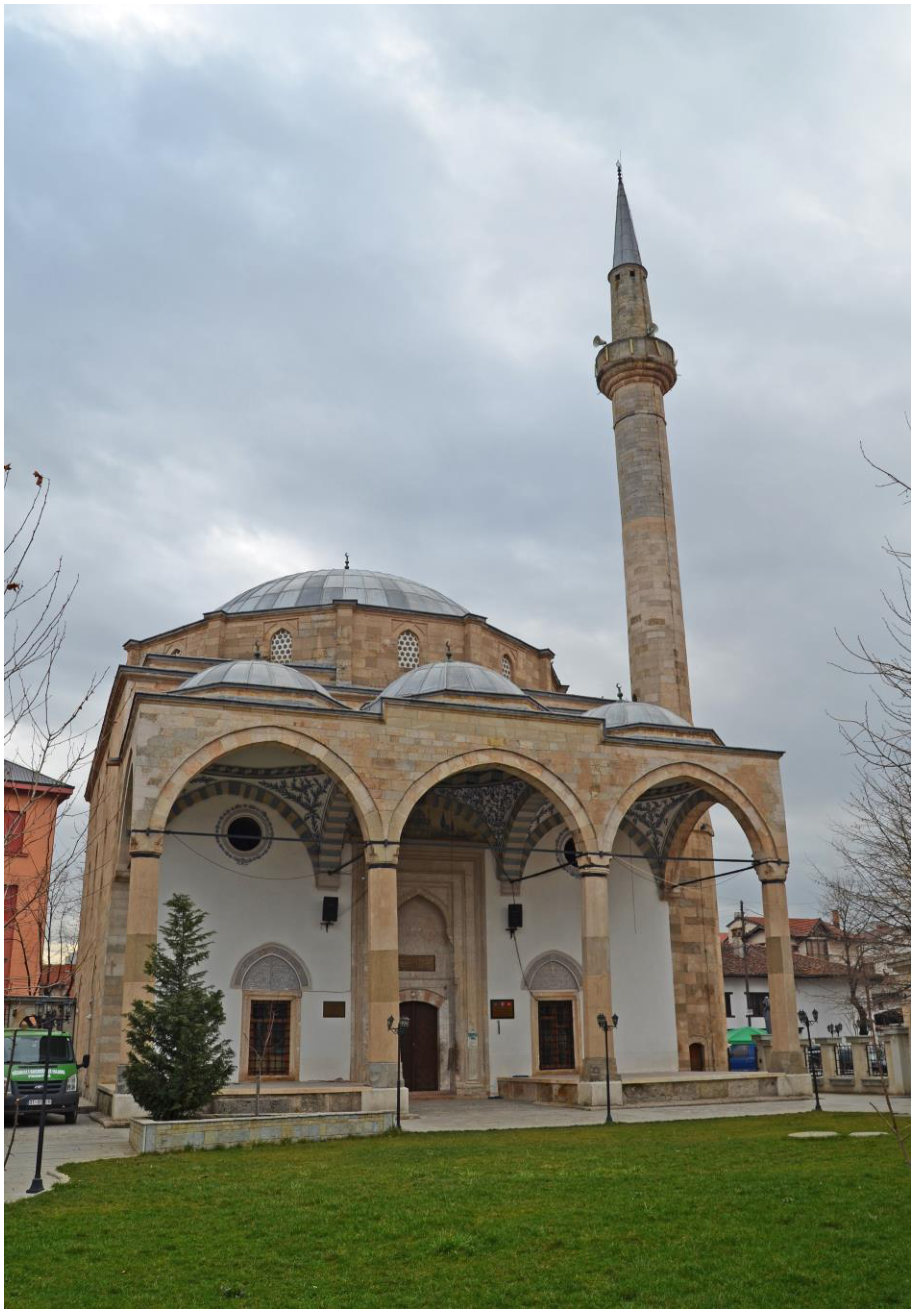
Pristina, Fatih Sultan Mehmet Mosque — R.11.2
Mehmet Emin Yılmaz (@mimaremin)
R.11.2
Kiliseye Çevrilen Türk Eserleri 1 / The Turkish Monuments Converted into Churches 1, p. 359
YTB Publications, 2023
Extracted from the public-access source work on the YTB Digital Culture Platform; used with source and author credit.
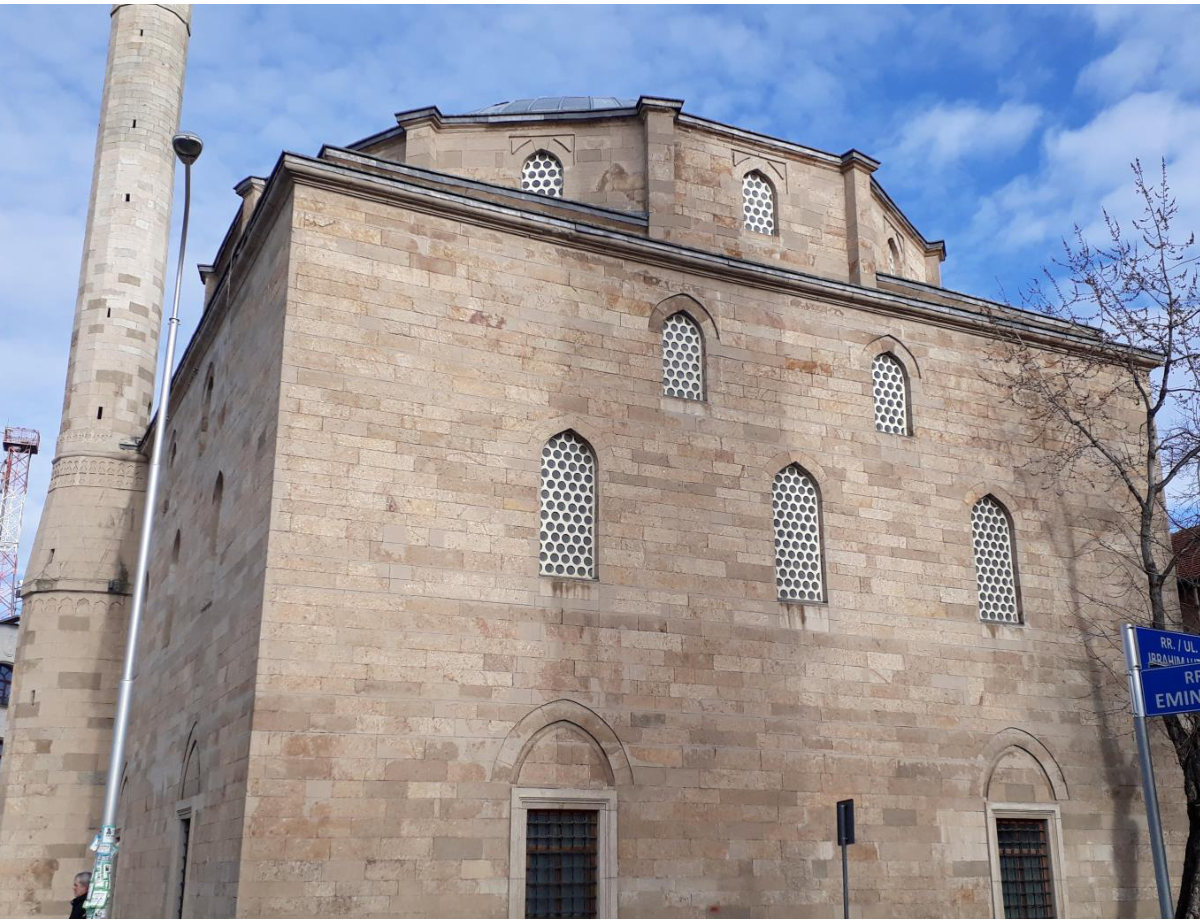
Pristina, Fatih Sultan Mehmet Mosque — R.11.3
Mehmet Emin Yılmaz (@mimaremin)
R.11.3
Kiliseye Çevrilen Türk Eserleri 1 / The Turkish Monuments Converted into Churches 1, p. 360
YTB Publications, 2023
Extracted from the public-access source work on the YTB Digital Culture Platform; used with source and author credit.
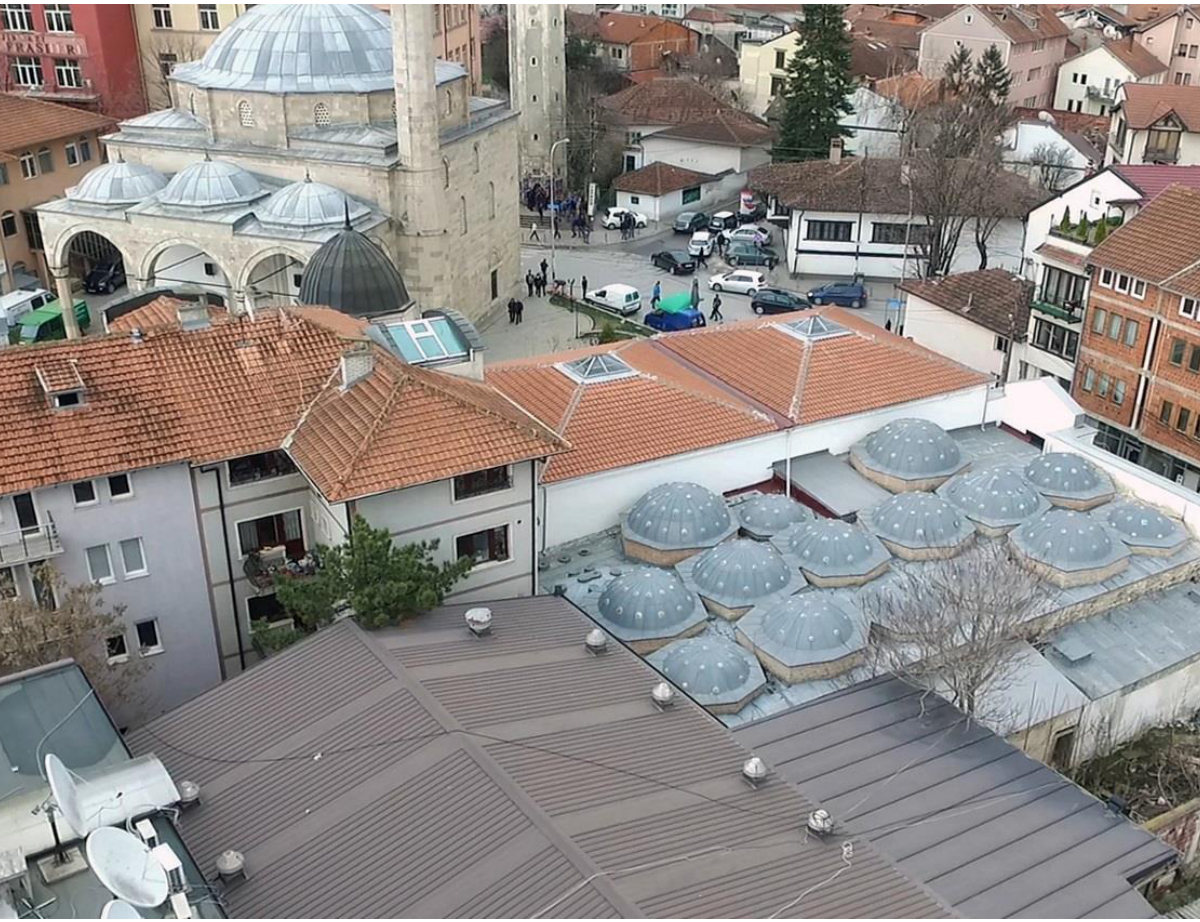
Pristina, Fatih Sultan Mehmet Mosque — R.11.4
Mehmet Emin Yılmaz (@mimaremin)
R.11.4
Kiliseye Çevrilen Türk Eserleri 1 / The Turkish Monuments Converted into Churches 1, p. 361
YTB Publications, 2023
Extracted from the public-access source work on the YTB Digital Culture Platform; used with source and author credit.