Kurudere (Paleos Xerias), a village that belonged to Sarışaban kaza of the Drama liva of the Thessaloniki province during the Ottoman period, is now within the borders of Kavala. It is located 10 km north of Sarışaban. In the Ottoman archives, there is a certificate dated 11/03/1256 (13 May 1840) stating that Davud Khalifa, son of Osman, was appointed as the orator/ khatib of the mosque. The mosque in question has a rectangular plan measuring 10x16 m, stone walls and a wooden roof. After the population exchange, it was converted into a church in 1924 under the name of Aya Yorgi. In this conversion, the windows at the entrance of the mosque and its architecture were changed. The minaret was demolished down to the base and a bell tower was built instead. The windows on the qibla fasade were covered and a door was opened on the west fasade. An iconostasis was added to the interior, but the mahfil left intact. The church in Kurudere, an abandoned village today, was restored in 2020 and is in good condition.
Kavala, Kurudere Köyü Câmii
Kavala, Paleos Xerias Mosque
| Country | Greece |
| City | Kavala |
| Built Year | 1840 |
| Converted | 1924 |
| Demolished | - |
| Architect/Patron | Unknown |
| Book Page | p.1148 |
| Sources |
|
Photos
Gallery ready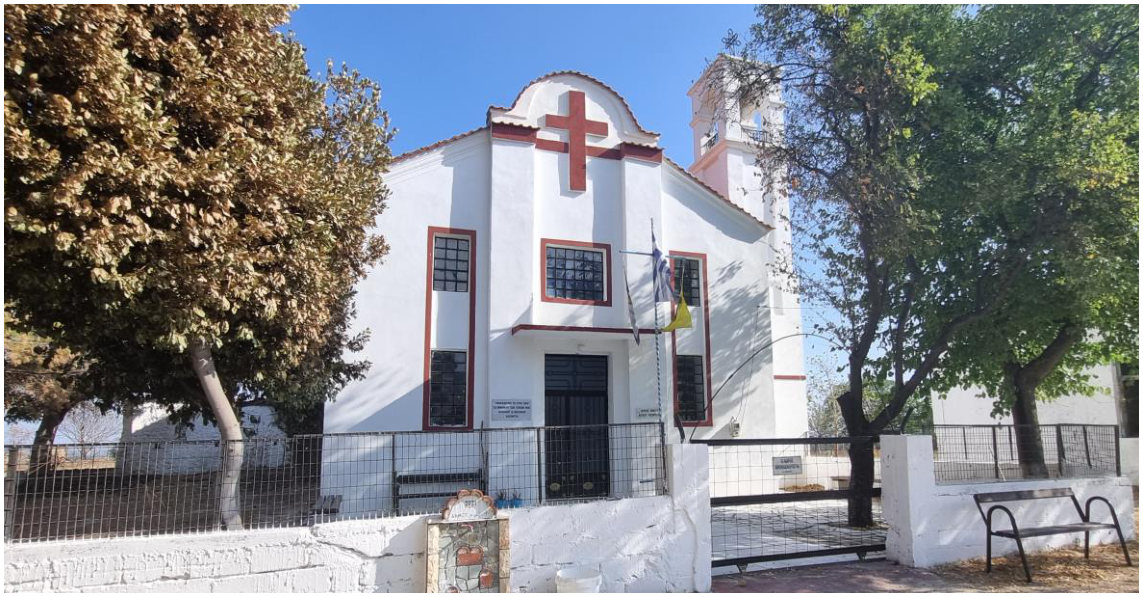
Kavala, Paleos Xerias Mosque — R.19.226.1-2
Mehmet Emin Yılmaz (@mimaremin)
R.19.226.1-2
Kiliseye Çevrilen Türk Eserleri 3 / The Turkish Monuments Converted into Churches 3, p. 305
YTB Publications, 2023
Extracted from the public-access source work on the YTB Digital Culture Platform; used with source and author credit.
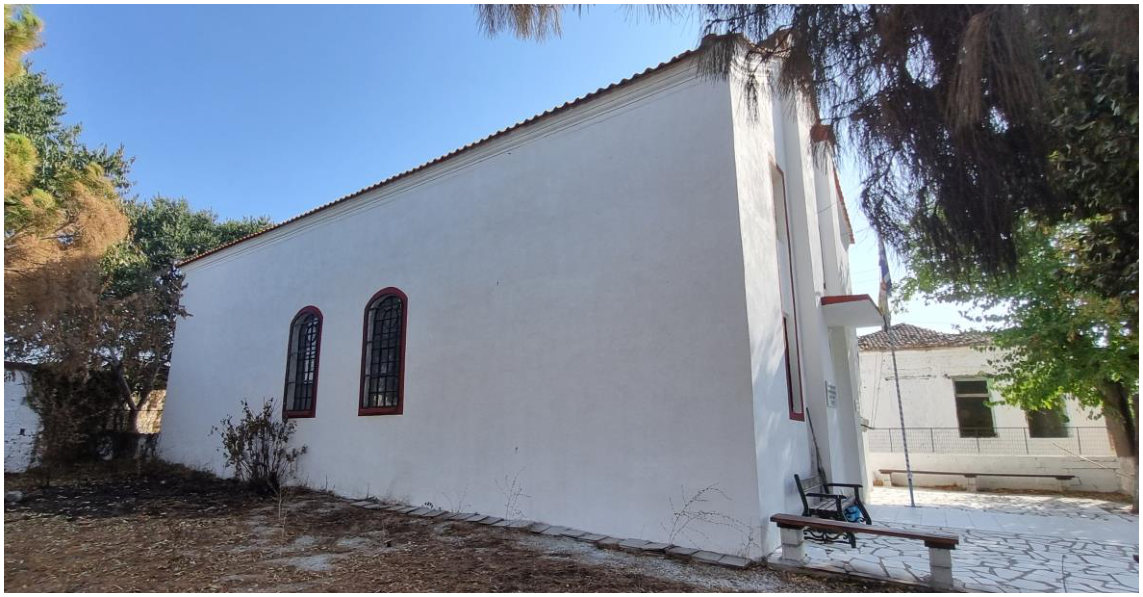
Kavala, Paleos Xerias Mosque — R.19.226.3-4
Mehmet Emin Yılmaz (@mimaremin)
R.19.226.3-4
Kiliseye Çevrilen Türk Eserleri 3 / The Turkish Monuments Converted into Churches 3, p. 306
YTB Publications, 2023
Extracted from the public-access source work on the YTB Digital Culture Platform; used with source and author credit.
Figure references in the book
R.19.226.1-2R.19.226.3-4